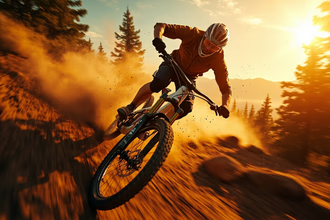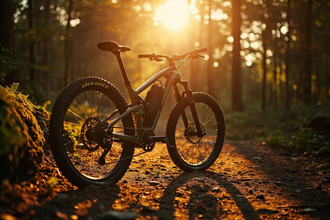
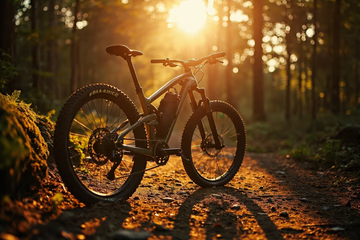
For riders seeking the perfect balance of agility and capability on the trails, Stash Cycles offers a curated selection of trail bikes designed to improve the riding experience. As a custom bike builder focused on boutique mountain bikes, Stash Cycles understands the nuances that make a trail bike exceptional.
Whether riding technical climbs or descending challenging terrain, the trail bikes at Stash Cycles are built to inspire confidence and deliver unmatched performance. Explore the collection and discover a trail bike that matches your riding style and aspirations. At Stash Cycles, the trail adventure begins.
Key Takeaways
- Choosing the right trail bike involves considering frame material, suspension travel, wheel size, and geometry to match your riding style and terrain.
- Stash Cycles specializes in custom-built trail bikes, offering personalized service and expert guidance throughout the building process.
- Frame material options include carbon fiber (lightweight, stiff) and aluminum (durable, affordable), each affecting the bike's weight, stiffness, and ride quality.
- Suspension travel ranges from 120mm to 150mm, with less travel being more efficient for smoother trails and more travel better for rougher terrain.
- Wheel size options include 27.5" (nimble, playful) and 29" (efficient, better traction), depending on rider preference and terrain.
- Stash Cycles offers customizations for different riding styles, including Cross-Country (XC), All-Mountain/Trail, and Enduro, tailoring the bike to specific needs.
- The custom bike building process at Stash Cycles involves consultation, design, component selection, precision build, and quality control to ensure a perfect fit.
Table of Contents
Introduction: Your Potential on the Trails

Stash Cycles provides high-performance trail bikes crafted for the ultimate riding experience. A trail bike is designed to be versatile, handling a variety of terrains from smooth singletrack to rocky, technical descents. Choosing the right trail bike is important for optimal performance and enjoyment on the trails. Stash Cycles specializes in custom builds to meet individual rider needs, and they have expertise in crafting dream trail bikes.
Key Features When Choosing a Trail Bike
Selecting the right trail bike involves key features that affect performance and how well the bike suits different riding styles and terrains.
Frame Material
The frame material of a trail bike affects its weight, stiffness, and overall feel. Carbon fiber frames are lightweight and stiff, offering efficient transfer and a responsive ride. Aluminum frames are more affordable and durable, making them a good option for riders who prioritize value and longevity.
Suspension Travel
Suspension travel determines how well a trail bike can absorb bumps and handle rough terrain. Bikes with more suspension travel are better suited for aggressive riding and challenging trails, while bikes with less travel are more efficient on smoother trails.
Wheel Size
Wheel size is another important consideration. 27.5" wheels are more nimble and playful, while 29" wheels offer better rolling efficiency and traction. The ideal wheel size depends on rider preference and the type of terrain typically ridden.
Geometry
The geometry of a trail bike affects its handling and stability. A slack head angle provides more stability at high speeds, while a steeper head angle offers quicker steering. Reach and stack also influence rider comfort and positioning on the bike.
Components
Components such as the drivetrain and brakes also play a crucial role in a trail bike's performance. A wide-range drivetrain provides ample gearing for climbing and descending, while capable brakes offer reliable stopping in all conditions.
Stash Cycles considers these features when crafting custom trail bike builds, balancing them to achieve the desired riding experience for each customer. For example, they might pair a carbon fiber frame with 140mm of suspension travel and 29" wheels for a trail bike that is both efficient and capable. Or, they could opt for an aluminum frame with 130mm of travel and 27.5" wheels for a more playful and affordable option. The goal is to create a trail bike that meets the specific needs and preferences of the rider.
Frame Material: Carbon vs. Aluminum
When choosing a trail bike, the frame material is a primary consideration. Carbon fiber and aluminum are the two most common options, each offering distinct advantages and disadvantages.
Weight: Carbon fiber frames are generally lighter than aluminum frames. This weight difference can make a trail bike feel more nimble and easier to accelerate, especially on climbs.
Stiffness: Carbon fiber can be engineered to be very stiff in certain areas, which translates to efficient transfer and precise handling. Aluminum frames can also be stiff, but they may not offer the same level of torsional rigidity as carbon fiber.
Durability: Aluminum frames are known for their durability and resistance to impact. Carbon fiber frames are strong, but they can be more susceptible to damage from crashes or rock strikes. However, modern carbon fiber frames are designed to withstand significant abuse.
Cost: Aluminum frames are typically more affordable than carbon fiber frames. This makes aluminum a good option for riders on a budget or those who prioritize value.
Handling and Riding Experience: The frame material affects a trail bike's handling and overall riding experience. Carbon fiber frames tend to offer a smoother, more refined ride quality, while aluminum frames can feel more direct and responsive. The choice depends on rider preference and the type of terrain typically ridden.
Stash Cycles offers both carbon fiber and aluminum frame options for their custom trail bike builds. Carbon fiber frames are ideal for riders who prioritize weight savings and performance, while aluminum frames are a great choice for those seeking durability and value. The frame material is selected based on the rider's individual needs and riding style, so that the resulting trail bike delivers the desired performance and experience.
Suspension Travel: Finding the Sweet Spot
Suspension travel refers to the amount of vertical movement the front and rear suspension systems of a trail bike can provide. It is a key factor in determining how well a bike can absorb bumps, maintain traction, and handle challenging terrain.
Trail bikes typically have suspension travel ranging from 120mm to 150mm. Bikes with less travel (120-130mm) are often more efficient and responsive on smoother trails and climbs. Bikes with more travel (140-150mm) offer greater capability on rougher, more technical terrain.
Suspension Types:
- Air Suspension: Air suspension uses compressed air as the spring medium. It is lightweight and easily adjustable, making it a popular choice for trail bikes. Air suspension allows riders to fine-tune the spring rate to match their weight and riding style.
- Coil Suspension: Coil suspension uses a steel coil spring. It is known for its plush feel and consistent performance, especially on long descents. Coil suspension is often found on more aggressive trail bikes.
Choosing the right amount of suspension travel depends on the type of terrain a rider typically encounters and their riding style. A rider who primarily rides smooth, flowy trails may prefer a bike with less travel, while a rider who enjoys tackling steep, rocky descents will likely benefit from more travel.
Stash Cycles assists riders in selecting the optimal suspension travel for their needs by considering their local trails, riding style, and preferences. They also offer guidance on suspension setup and tuning to ensure that riders get the most out of their trail bike's suspension system. Balancing suspension travel with other features, such as frame material and geometry, is important for creating a well-rounded trail bike that performs well in a variety of conditions.
Wheel Size: 27.5" vs. 29"
Wheel size is an important factor when choosing a trail bike. The two most common wheel sizes are 27.5" and 29", each offering a different set of characteristics that can affect the bike's performance and handling.
27.5" Wheels:
- Advantages: 27.5" wheels are known for their nimble handling and playful feel. They accelerate quickly and are easier to maneuver in tight spaces. They are also a good option for shorter riders who may find 29" wheels to be too large.
- Disadvantages: 27.5" wheels have a smaller rolling diameter than 29" wheels, which can make them less efficient on smooth terrain and less capable of rolling over large obstacles.
29" Wheels:
- Advantages: 29" wheels offer better rolling efficiency and traction than 27.5" wheels. They roll over obstacles more easily and maintain momentum better on rough terrain.
- Disadvantages: 29" wheels can feel less nimble and harder to maneuver than 27.5" wheels. They also accelerate more slowly and may not be the best option for shorter riders.
The choice between 27.5" and 29" wheels depends on rider preference and the type of terrain typically ridden. Riders who prioritize maneuverability and a playful feel may prefer 27.5" wheels, while riders who value rolling efficiency and obstacle clearance may opt for 29" wheels.
Stash Cycles offers both 27.5" and 29" wheel size options for their custom trail bike builds. They help riders choose the wheel size that best suits their needs and riding style, taking into account factors such as rider height, terrain, and desired handling characteristics. The wheel size is carefully selected to complement the other features of the bike, resulting in a trail bike that performs optimally in its intended environment.
The Stash Cycles Difference: Customization and Craftsmanship

Stash Cycles distinguishes itself through a commitment to customization, craftsmanship, and the use of high-quality materials. Unlike mass-produced bikes, Stash Cycles focuses on creating trail bikes built to each rider's individual needs and preferences.
The Custom Bike Building Process:
Stash Cycles collaborates closely with riders throughout the custom bike building process. This begins with an in-depth consultation to understand the rider's riding style, terrain preferences, and desired performance characteristics. Based on this information, Stash Cycles helps the rider select the optimal frame material, suspension travel, wheel size, geometry, and components.
The custom build process allows for a level of personalization that is not possible with off-the-shelf bikes. Riders can choose from a wide range of components, including drivetrains, brakes, suspension systems, and cockpit components. They can also fine-tune the geometry of the bike to achieve the perfect fit and handling characteristics.
Examples of Unique Custom Builds:
Stash Cycles has created numerous unique custom trail bike builds for riders with diverse needs and preferences. For example, they built a lightweight carbon fiber trail bike with 130mm of suspension travel and 29" wheels for a rider who enjoys climbing and descending technical trails. They also crafted a durable aluminum trail bike with 150mm of suspension travel and 27.5" wheels for a rider who prefers aggressive downhill riding.
The value of Stash Cycles' custom trail bikes lies in the personalized service, expert guidance, and attention to detail that goes into each build. By working closely with riders and selecting the perfect components and geometry, Stash Cycles creates trail bikes that deliver an unparalleled riding experience.
The Custom Bike Building Process at Stash Cycles
Building a custom trail bike at Stash Cycles is a collaborative and detailed process designed to deliver a bike that meets the rider's exact needs and preferences. The process involves several key steps:
- Initial Consultation: The process begins with a consultation between the rider and the Stash Cycles team. During this consultation, the team gathers information about the rider's riding style, terrain preferences, fitness level, and any specific requirements or goals.
- Needs and Preferences Definition: Based on the initial consultation, the Stash Cycles team works with the rider to define their specific needs and preferences. This includes determining the ideal frame material, suspension travel, wheel size, and geometry for their trail bike.
- Design and Engineering: Once the needs and preferences are defined, the design and engineering phases begin. Stash Cycles uses advanced technology and software to design the bike, taking into account factors such as rider biomechanics, frame stiffness, and component compatibility.
- Geometry Selection: Geometry is a critical aspect of a custom trail bike. Stash Cycles works with the rider to select the geometry that will provide the optimal handling, stability, and comfort for their riding style and terrain.
- Component Choices: Stash Cycles offers a wide range of high-quality components to choose from, including drivetrains, brakes, suspension systems, and cockpit components. The team guides the rider in selecting the components that will best meet their needs and budget.
- Precision Build: Once the design and component choices are finalized, the build process begins. Stash Cycles' skilled technicians assemble the bike with precision and attention to detail, making sure that every component is properly installed and adjusted.
- Quality Control: After the build is complete, the bike undergoes a thorough quality control inspection to make sure that it meets Stash Cycles' high standards for performance and durability.
This process makes sure that every Stash Cycles custom trail bike is perfectly suited to the rider, providing an unparalleled riding experience.
Materials and Craftsmanship: The Stash Cycles Standard
Stash Cycles is committed to using only the highest quality materials in their custom trail bike builds. They partner with leading component manufacturers to ensure that every bike is equipped with reliable, high-performing parts.
The brand's dedication to careful craftsmanship and attention to detail is evident in every bike they produce. Stash Cycles' skilled technicians take pride in their work, making sure that every component is properly installed, adjusted, and tested.
Unique Finishes and Handcrafted Elements:
Stash Cycles offers a range of unique finishes, custom paint jobs, and handcrafted elements to further personalize their bikes. Riders can choose from a variety of colors, graphics, and textures to create a trail bike that reflects their individual style.
The durability and longevity of Stash Cycles' bikes are a direct result of their superior materials and construction. By using high-quality materials and employing careful craftsmanship, Stash Cycles creates bikes that are built to withstand the rigors of trail riding and provide years of reliable performance.
Investing in a premium trail bike from Stash Cycles means investing in a bike that is built to last and perform at its best. The brand's commitment to quality materials and craftsmanship makes sure that riders get the most out of their investment.
Personalized Service and Expert Guidance
Stash Cycles stands out for its personalized service and expert guidance, offering customers support throughout the custom bike building process. The team possesses a deep knowledge of trail bikes and uses this knowledge to pair riders with components and geometry that suit them.
The Consultation Process:
The consultation process is a key element of Stash Cycles' service. During this consultation, the team gathers information about the rider's experience, riding style, and goals. This information helps Stash Cycles provide advice and guidance on all aspects of the bike build, from frame material to tire selection.
Stash Cycles helps riders make informed decisions by explaining the pros and cons of different options and providing clear, unbiased recommendations. They take the time to answer questions and address any concerns, making sure that riders feel comfortable and confident in their choices.
Having a trusted partner in the custom bike building process is invaluable. Stash Cycles provides riders with the expertise and support they need to create a trail bike that meets their specific needs and exceeds their expectations.
Matching Your Trail Bike to Your Riding Style
Choosing the right trail bike depends heavily on matching the bike's characteristics to your individual riding style and the types of trails you typically ride. Different riding styles demand different bike configurations to improve performance and enjoyment.
Cross-Country (XC):
Cross-country riding emphasizes efficiency, climbing ability, and endurance. XC riders typically prefer lightweight trail bikes with shorter suspension travel (100-120mm), efficient pedaling platforms, and fast-rolling tires. A Stash Cycles custom XC trail bike might feature a carbon fiber frame, lightweight components, and a focus on maximizing transfer.
All-Mountain/Trail:
All-mountain or trail riding is a versatile style that encompasses a mix of climbing, descending, and technical terrain. All-mountain riders need a trail bike that is capable both uphill and downhill, with a balance of efficiency and capability. A Stash Cycles custom all-mountain trail bike might feature 130-140mm of suspension travel, a moderately slack head angle, and durable components.
Enduro:
Enduro riding focuses on descending challenging terrain at high speeds. Enduro riders need a trail bike that is stable, confidence-inspiring, and capable of absorbing big hits. A Stash Cycles custom enduro trail bike might feature 150mm or more of suspension travel, a slack head angle, capable brakes, and a strong frame.
Assessing Trail Conditions:
In addition to matching your trail bike to your riding style, it's also important the trail conditions you typically encounter. Rocky, technical trails may require wider tires with more aggressive tread, while smoother trails may benefit from narrower tires with less rolling resistance. Adjusting your suspension settings to the trail conditions can also improve performance and comfort.
Stash Cycles can help you customize your trail bike to improve performance for your specific riding style and trail conditions. By considering factors such as frame material, suspension travel, wheel size, geometry, and component selection, they can create a trail bike that is perfectly suited to your needs.
Cross-Country (XC) Trail Bikes: Efficiency and Speed
Cross-country (XC) riding is a discipline that efficiency, climbing ability, and endurance. XC trail bikes are designed to be lightweight and responsive, allowing riders to cover long distances quickly and efficiently.
Key Characteristics of XC Trail Bikes:
- Lightweight Frames: XC trail bikes typically feature lightweight frames made from carbon fiber or aluminum. These frames are designed to minimize weight and maximize stiffness, resulting in efficient transfer.
- Efficient Pedaling Platforms: XC trail bikes often incorporate efficient pedaling platforms, which minimize suspension bob and maximize pedaling efficiency. This allows riders to climb hills more easily and maintain speed on flat terrain.
- Shorter Suspension Travel: XC trail bikes typically have shorter suspension travel (100-120mm) than other types of trail bikes. This reduces weight and improves pedaling efficiency, while still providing enough suspension to absorb bumps and maintain traction.
Stash Cycles Customizations for XC Performance:
Stash Cycles offers a range of customizations that can improve XC performance. These include:
- Carbon Fiber Frames: Carbon fiber frames are lightweight and stiff, providing excellent transfer and a responsive ride.
- Lightweight Components: Lightweight components, such as carbon fiber wheels and handlebars, can further reduce weight and improve efficiency.
Tire Type and Suspension Settings for XC Trails:
Choosing the right tire type and suspension settings is also important for XC riding. Fast-rolling tires with minimal tread are ideal for smooth, dry trails, while tires with more aggressive tread may be necessary for loose or muddy conditions. Suspension settings should be firm and efficient, with minimal sag and a focus on pedaling efficiency.
Efficiency and speed are for XC trail bike riding. By choosing a lightweight bike with an efficient pedaling platform and the right tire type and suspension settings, riders can maximize their performance and enjoyment on XC trails.
All-Mountain Trail Bikes: Versatility and Capability
All-mountain riding is a versatile discipline that combines climbing, descending, and technical terrain. All-mountain trail bikes are designed to be capable in a variety of conditions, offering a balance of efficiency and performance.
Key Characteristics of All-Mountain Trail Bikes:
- Balanced Geometry: All-mountain trail bikes typically feature a balanced geometry that provides both climbing efficiency and descending stability. This includes a moderately slack head angle, a comfortable reach, and a stable wheelbase.
- Moderate Suspension Travel: All-mountain trail bikes typically have moderate suspension travel (130-150mm) that provides enough cushion to absorb bumps and maintain traction, while still remaining efficient for climbing.
- Durable Components: All-mountain trail bikes are built with durable components that can withstand the rigors of aggressive riding. This includes strong wheels, reliable brakes, and a dependable drivetrain.
Stash Cycles Customizations for All-Mountain Performance:
Stash Cycles offers a range of customizations that can improve all-mountain performance. These include:
- Adjustable Suspension: Adjustable suspension allows riders to fine-tune the bike's suspension characteristics to match the terrain and their riding style.
- Dropper Seatposts: Dropper seatposts allow riders to quickly lower their saddle out of the way for descending, improving maneuverability and control.
Tire Type and Suspension Settings for All-Mountain Trails:
Choosing the right tire type and suspension settings is also important for all-mountain riding. Versatile tires with a balance of rolling efficiency and traction are ideal for all-mountain trails. Suspension settings should be balanced, with enough sag to absorb bumps and maintain traction, but not so much that the bike feels sluggish or inefficient.
Versatility and capability are key for all-mountain trail bike riding. By choosing a bike with balanced geometry, moderate suspension travel, and durable components, riders can tackle a wide range of terrain with confidence and control.
Enduro Trail Bikes: Aggression and Control
Enduro riding is a discipline that focuses on descending challenging terrain at high speeds. Enduro trail bikes are designed to be stable, confidence-inspiring, and capable of absorbing big hits.
Key Characteristics of Enduro Trail Bikes:
- Slack Geometry: Enduro trail bikes typically feature a slack head angle, a long wheelbase, and a low center of gravity. This geometry provides stability at high speeds and allows riders to navigate steep, technical terrain with confidence.
- Long Suspension Travel: Enduro trail bikes typically have long suspension travel (150mm or more) that provides ample cushion to absorb big hits and maintain traction on rough terrain.
- Strong Components: Enduro trail bikes are built with strong components that can withstand the forces of aggressive riding. This includes reinforced frames, capable brakes, and a reliable drivetrain.
Stash Cycles Customizations for Enduro Performance:
Stash Cycles offers a range of customizations that can improve enduro performance. These include:
- Reinforced Frames: Reinforced frames provide added strength and durability, allowing riders to push their bikes to the limit without fear of damage.
- Capable Brakes: Capable brakes provide reliable stopping in all conditions, allowing riders to maintain control on steep descents.
Tire Type and Suspension Settings for Enduro Trails:
Choosing the right tire type and suspension settings is also important for enduro riding. Aggressive tires with a strong casing and a sticky compound are ideal for enduro trails. Suspension settings should be plush and forgiving, with plenty of sag and a focus on absorbing big hits.
Aggression and control are key for enduro trail bike riding. By choosing a bike with slack geometry, long suspension travel, and strong components, riders can tackle the most challenging terrain with confidence and style.
Conclusion: Start Your Trail Adventure with Stash Cycles
Choosing the right trail bike involves balancing several key considerations, including frame material, suspension travel, wheel size, and geometry. Matching these features to your individual riding style and the types of trails you typically ride is important for optimal performance and enjoyment.
Stash Cycles provides expertise in custom bike building and a commitment to providing riders with the ultimate trail experience. Their custom trail bikes offer personalized service, expert guidance, and attention to detail that goes into each build.
Explore Stash Cycles' selection of trail bikes or contact them for a custom consultation to start your trail adventure. Owning a Stash Cycles trail bike means investing in a bike that is built to last, perform at its best, and deliver an unparalleled riding experience.
Start your trail adventure with Stash Cycles and experience the joy of trail riding and the potential for adventure. A world of adventure awaits.
Frequently Asked Questions
- What factors should I consider when choosing a trail bike?
- When selecting a trail bike, consider factors such as the bike's frame material (aluminum, carbon, or steel), suspension type (full suspension or hardtail), wheel size (typically 27.5 inches or 29 inches), and the bike's geometry, which affects handling and comfort. Additionally, think about your riding style, the terrain you'll be tackling, and whether you prefer a lightweight bike for climbing or a sturdier model for descents. Test riding several models can also help you find the right fit.
- How can I ensure that I'm maintaining my trail bike properly?
- Regular maintenance is key to keeping your trail bike in top condition. This includes checking tire pressure, cleaning and lubricating the chain, inspecting brake pads, and ensuring that gears are shifting smoothly. It's also advisable to periodically take your bike to a professional for a tune-up, which can include adjusting the suspension, trueing the wheels, and checking for any wear and tear on components.
- What are the benefits of investing in a high-performance trail bike?
- Investing in a high-performance trail bike can significantly enhance your riding experience. These bikes often feature advanced materials and technology, providing better durability, lighter weight, and improved handling. High-performance models may also come with superior suspension systems, allowing for better absorption of shocks and bumps, which can lead to a more comfortable and controlled ride on challenging trails.
- Are there financing options available for purchasing a trail bike?
- Many bike shops, including Stash Cycles, often offer financing options to help customers manage the cost of purchasing a trail bike. These may include installment payment plans or partnerships with third-party financing companies. It’s advisable to inquire directly with the retailer about available options, interest rates, and terms to find a plan that fits your budget.
- What accessories should I consider purchasing with my trail bike?
- When buying a trail bike, consider investing in essential accessories such as a high-quality helmet, hydration pack, and repair kit that includes tools and spare tubes. You might also want to look into protective gear like knee and elbow pads, as well as bike lights for visibility if you plan to ride in low-light conditions. Additional upgrades, such as a comfortable saddle or handlebar grips, can also enhance your riding experience.