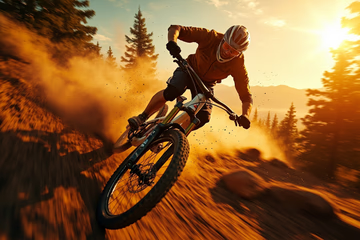
Ready to win your next mountain bike race? The right bike can make all the difference. Stash Cycles specializes in custom-built mountain bikes designed for speed, agility, and endurance. Find out how to pick the perfect ride to conquer any terrain.
This guide helps you choose a mountain bike that matches your racing style and the challenges of the course. Learn what to look for in frame materials, suspension systems, and components to maximize your performance on race day. Let's get started!
Key Takeaways
- Selecting the right mountain bike is crucial for success in mountain bike racing, enhancing speed, agility, and overall performance.
- Key components of a race-ready mountain bike include frame material, suspension, wheel size, tires, drivetrain, and brakes, each affecting performance differently.
- Different racing disciplines (XC, Enduro, DH) require specific bike characteristics, such as lightweight frames for XC and strong suspension for DH.
- Frame material (carbon fiber vs. aluminum), suspension type (full vs. hardtail), and wheel size (27.5" vs. 29") each offer distinct advantages depending on the terrain and racing style.
- Customization options, including frame geometry, handlebar setup, saddle selection, and gear ratios, allow riders to fine-tune their bikes for optimal performance.
- Stash Cycles specializes in building custom mountain bikes tailored to individual rider needs and racing goals, focusing on quality components and expert craftsmanship.
Table of Contents
Introduction: Gearing Up for Victory

The thrill of a mountain bike race is unlike any other. It's a test of skill, endurance, and mental fortitude, all set against the backdrop of challenging terrain. Success in a mountain bike race depends on many factors, and one of the most critical is selecting the right mountain bike. The correct bike can provide a competitive edge, enhancing speed, agility, and overall performance.
Stash Cycles understands the unique demands of mountain bike racing. As a custom bike builder, Stash Cycles focuses on creating boutique mountain bikes designed to meet the specific needs of racers. Their bikes are designed for speed, agility, and endurance, helping riders conquer any trail. This article will guide you through the key considerations when choosing a mountain bike, making sure you're fully equipped to dominate your next mountain bike race.
The Key Components of a Race-Ready Mountain Bike
A mountain bike's frame is the foundation of its performance. Frame material (carbon fiber, aluminum, or steel) affects weight, stiffness, and ride quality. Carbon fiber frames offer the best weight-to-stiffness ratio, providing efficient energy transfer and a responsive feel. Aluminum frames are more affordable and durable, while steel frames offer a comfortable ride and excellent durability.
Suspension is crucial for absorbing impacts and maintaining traction on rough terrain. Hardtail bikes have front suspension only, offering efficiency and simplicity. Full-suspension bikes have both front and rear suspension, providing increased comfort, control, and traction on challenging trails. Suspension travel (the amount the suspension can compress) should match the demands of the terrain and race type.
Wheel size (27.5 or 29 inches) affects rolling efficiency, obstacle clearance, and handling. 29-inch wheels roll over obstacles more easily and maintain momentum better, making them ideal for XC and trail riding. 27.5-inch wheels are more nimble and responsive, making them suitable for technical terrain and smaller riders.
Tires play a vital role in traction, rolling resistance, and puncture protection. Tire choice depends on the terrain and conditions. For dry, hardpack trails, fast-rolling tires with minimal tread are ideal. For wet, muddy trails, tires with aggressive tread patterns provide better grip.
The drivetrain (gears and shifters) affects pedaling efficiency and range. A wide-range drivetrain allows riders to tackle steep climbs and fast descents. Shifter quality affects shifting speed and precision.
Brakes are critical for controlling speed and maintaining safety. Hydraulic disc brakes offer superior stopping power and modulation compared to mechanical disc brakes or rim brakes.
Stash Cycles carefully considers each of these components when building custom mountain bikes. They work with riders to select the optimal frame material, suspension setup, wheel size, tires, drivetrain, and brakes to create a bike that perfectly matches their needs and riding style.
Cross-Country (XC): Speed and Endurance
Cross-country (XC) mountain bike races are defined by their challenging combination of long distances and varied terrain. Racers encounter everything from steep climbs and technical descents to fast, flowing singletrack. Success in XC demands a high level of both speed and endurance, testing riders' physical and mental limits.
Specific bike requirements are vital for excelling in XC. Lightweight frames are important for efficient climbing and acceleration. Suspension systems should be efficient, offering enough travel to absorb bumps and maintain traction without sacrificing pedaling efficiency. Gearing must be optimized for both climbing and descending, allowing riders to maintain a consistent cadence across varied terrain. This type of mountain bike race is best suited for bikes that are efficient and responsive.
Stash Cycles builds custom bikes perfectly suited for XC racing. They use lightweight frame materials like carbon fiber to minimize weight and maximize stiffness. Suspension systems are carefully selected and tuned for optimal efficiency and control. Gearing is customized to match the rider's strengths and the specific demands of their local courses. These careful choices in components and features improve performance, allowing riders to conquer any XC mountain bike race.
Enduro: Technical Skills and Durability
Enduro mountain bike racing centers around technical downhill sections and timed stages. Riders face challenging terrain, including steep chutes, rocky gardens, and tight switchbacks. While riders must also pedal uphill between stages, only the downhill sections are timed, rewarding technical skill and bike handling.
Enduro racing demands specific bike characteristics. Strong suspension systems with ample travel are needed to absorb big hits and maintain control on rough terrain. Durable frames are important to withstand the forces of aggressive riding. Dependable brakes are critical for controlling speed and maintaining safety on steep descents. This style of mountain bike race necessitates a different bike setup than other disciplines.
Stash Cycles can customize bikes for enduro racing, focusing on features that improve control and build confidence on challenging terrain. They use strong frame materials and suspension components to ensure durability and performance. Brake systems are carefully selected for maximum stopping ability and modulation. By tailoring each bike to the rider's individual needs and riding style, Stash Cycles helps enduro racers push their limits and conquer the most demanding trails.
Downhill (DH): Gravity and Precision
Downhill (DH) mountain bike racing represents the extreme edge of the sport. Racers descend steep, technical courses at high speeds, relying on gravity and their bike handling skills. DH courses feature jumps, drops, rock gardens, and other challenging obstacles, demanding unwavering focus and precise control.
Specific bike requirements are crucial for surviving and thriving in DH. Long-travel suspension is needed to absorb massive impacts and maintain traction on rough terrain. Strong frames are important to withstand the extreme forces of DH riding. Effective brakes are necessary for controlling speed and stopping quickly on steep descents. This type of mountain bike race exemplifies the need for specialized equipment.
Stash Cycles can build custom downhill bikes that meet the rigorous demands of this discipline. They use the strongest frame materials and suspension components to ensure durability and performance. Brake systems are carefully chosen for maximum stopping ability and heat management. By tailoring each bike to the rider's individual needs and the specific characteristics of their local DH courses, Stash Cycles helps riders maximize stability and control at high speeds.
Key Features to Look for in a Racing Mountain Bike

A high-performance mountain bike for racing requires careful consideration of several key features. Each component plays a vital role in achieving optimal speed, agility, and endurance on the racecourse.
Frame Material: Frame material greatly influences a bike's weight, stiffness, and overall feel. Carbon fiber frames offer an excellent stiffness-to-weight ratio, providing efficient energy transfer and a responsive ride. Aluminum frames are a more cost-effective option, offering good durability and a reasonable weight.
Suspension Type: Suspension choice depends on the type of racing and terrain. Hardtail bikes, with front suspension only, are lighter and more efficient for smoother courses. Full-suspension bikes provide increased comfort, control, and traction on rougher terrain, making them suitable for enduro and some XC courses.
Wheel Size: Wheel size affects rolling efficiency and handling. 29-inch wheels roll over obstacles more easily and maintain momentum, making them popular for XC racing. 27.5-inch wheels offer more nimble handling, making them suitable for technical terrain and smaller riders.
Component Quality: High-quality components, such as gears and brakes, are critical for reliable performance. A wide-range drivetrain allows riders to tackle varied terrain, while effective and dependable brakes provide confident control. Stash Cycles uses premium components and expert craftsmanship to create bikes optimized for mountain bike race conditions. Their attention to detail ensures that every bike delivers peak performance and reliability.
Frame Material: Carbon vs. Aluminum
The choice between carbon fiber and aluminum for a mountain bike frame involves weighing the advantages of each material. Both offer distinct performance characteristics that can affect a rider's experience in a mountain bike race.
Carbon Fiber: Carbon fiber frames are known for their exceptional stiffness-to-weight ratio. This means they can be incredibly light while remaining stiff and responsive, allowing for efficient energy transfer and quick acceleration. Carbon fiber can also be molded into complex shapes, allowing engineers to fine-tune the frame's ride characteristics. However, carbon fiber frames can be more expensive and, in some cases, less durable than aluminum frames in the event of a severe impact.
Aluminum: Aluminum frames are a more budget-friendly option that still offers good performance. They are generally more durable than carbon fiber frames and can withstand more abuse. Aluminum frames are also typically heavier than carbon fiber frames, which can affect climbing speed and overall agility. While not as stiff as carbon fiber, aluminum frames can still provide a responsive and enjoyable ride.
Stash Cycles has expertise in working with both carbon fiber and aluminum to create frames optimized for different racing styles. They understand the nuances of each material and can help riders choose the frame that best suits their needs and budget.
Suspension: Full vs. Hardtail
The choice between full-suspension and hardtail mountain bikes significantly impacts a rider's comfort, control, and efficiency on the racecourse. Each suspension type offers distinct advantages and disadvantages depending on the terrain and racing format.
Full-Suspension: Full-suspension bikes feature both front and rear suspension, providing increased comfort, control, and traction on rough terrain. The suspension absorbs bumps and vibrations, reducing rider fatigue and allowing for faster speeds on technical descents. However, full-suspension bikes are typically heavier and less efficient than hardtails on smooth surfaces, as some of the rider's energy is absorbed by the suspension.
Hardtail: Hardtail bikes feature front suspension only, offering a lighter and more efficient option for smoother courses. The lack of rear suspension translates to more direct energy transfer, making hardtails ideal for climbing and accelerating. However, hardtails can be less comfortable and offer less control on rough terrain, as the rider must absorb more of the impacts.
Stash Cycles can help riders navigate the nuances of suspension choice, providing expert guidance based on their individual needs and riding style. They consider factors such as the rider's weight, riding experience, and the types of courses they typically race to recommend the optimal suspension setup.
Wheel Size: 27.5" vs. 29"
The debate between 27.5-inch and 29-inch wheels is a common one in mountain bike racing, as each size offers a unique set of advantages and disadvantages. The ideal wheel size depends on rider preferences, terrain, and racing conditions.
29-inch Wheels: 29-inch wheels are known for their superior rolling efficiency. Their larger diameter allows them to roll over obstacles more easily and maintain momentum better than 27.5-inch wheels. This makes them well-suited for cross-country racing and smoother trails where maintaining speed is crucial. However, 29-inch wheels can be less maneuverable than 27.5-inch wheels, particularly on tight, technical trails.
27.5-inch Wheels: 27.5-inch wheels offer increased maneuverability and responsiveness. Their smaller diameter makes them easier to accelerate and handle on tight, twisty trails. They are also a good choice for smaller riders who may find 29-inch wheels unwieldy. However, 27.5-inch wheels do not roll over obstacles as easily as 29-inch wheels, and they may lose momentum more quickly.
Stash Cycles recognizes that wheel size is a personal preference and offers custom builds with both 27.5-inch and 29-inch wheels. They can help riders choose the wheel size that best suits their riding style and the types of courses they typically race.
Component Quality: Gears, Brakes, and More
The quality of a mountain bike's components significantly impacts its performance and reliability, especially in the demanding conditions of a race. High-quality gears, brakes, shifters, and derailleurs contribute to precise shifting, dependable braking, and overall durability.
Gears and Drivetrain: A high-quality drivetrain ensures smooth and precise shifting, allowing riders to maintain optimal cadence and efficiently transfer energy to the wheels. Durable gears and chains withstand the stresses of aggressive riding and varied terrain.
Brakes: Dependable brakes are critical for controlling speed and maintaining safety, especially on steep descents and technical sections. High-quality brakes offer superior stopping ability and modulation, allowing riders to confidently navigate challenging terrain.
Shifters and Derailleurs: Precise shifters and derailleurs ensure quick and accurate gear changes, allowing riders to adapt to changing terrain without hesitation. Durable shifters and derailleurs withstand the rigors of racing and provide consistent performance.
Stash Cycles understands the importance of component quality and uses premium components from reputable brands. Their commitment to quality ensures that every bike delivers optimal performance, reliability, and durability in mountain bike race situations.
Customization Options for Peak Performance
Custom-built mountain bikes offer distinct advantages for racers seeking peak performance. The ability to personalize a bike to match individual riding style, body geometry, and race preferences can translate to a significant competitive edge.
Stash Cycles empowers riders to create their ideal racing machine through a range of customization options. Frame size is adjusted to ensure optimal fit and comfort. Handlebar width is adjusted to match shoulder width and riding style, improving control and handling. Saddle choice is personalized to maximize comfort and prevent discomfort during long races. Gear ratios are customized to suit the rider's strengths and the specific demands of their local courses.
This level of customization allows riders to fine-tune their bikes for optimal performance in any mountain bike race. A bike that fits perfectly and is designed to the rider’s specific needs can improve efficiency, reduce fatigue, and boost confidence on the racecourse. While specific examples of successful Stash Cycles custom builds used in races are not available here, the benefits of customization are clear: a personalized bike can provide a competitive advantage.
Frame Geometry and Size
Stash Cycles tailors frame geometry and size to ensure each rider achieves an optimal fit. A properly fitted frame is crucial for comfort, efficiency, and overall performance on the racecourse. Factors like reach, stack, and seat tube angle play a significant role in achieving this fit.
Reach: Reach refers to the horizontal distance from the bottom bracket to the head tube. A properly sized reach ensures a comfortable and balanced riding position, allowing for efficient weight distribution and optimal control.
Stack: Stack refers to the vertical distance from the bottom bracket to the top of the head tube. A properly sized stack ensures a comfortable handlebar height, preventing excessive strain on the back and neck.
Seat Tube Angle: The seat tube angle affects the rider's position relative to the pedals. A properly adjusted seat tube angle ensures efficient pedaling and reduces fatigue on long climbs.
By carefully considering these factors and tailoring frame geometry and size to each rider's unique body dimensions and riding style, Stash Cycles helps riders improve energy transfer, reduce fatigue, and boost overall performance in any mountain bike race.
Handlebar and Cockpit Setup
The handlebar and cockpit setup is a critical aspect of mountain bike customization, influencing steering precision, control, and comfort. Stash Cycles offers a range of handlebar options and expert guidance to help riders achieve their ideal setup.
Handlebar Width: Handlebar width affects leverage and control. Wider handlebars provide more stability and control on technical terrain, while narrower handlebars offer quicker steering and improved aerodynamics. The ideal width depends on rider shoulder width, riding style, and the type of terrain.
Handlebar Rise and Sweep: Handlebar rise and sweep affect wrist angle and overall comfort. Different rise and sweep options can help riders find a natural and comfortable hand position, reducing strain and fatigue.
Stem Length and Angle: Stem length and angle affect reach and handling. A shorter stem provides quicker steering, while a longer stem provides more stability. Stem angle can be adjusted to fine-tune handlebar height and reach.
Grips: Grip selection affects comfort and control. Different grip materials and textures offer varying levels of cushioning and traction. The ideal grip depends on rider preference and riding conditions.
By carefully considering these factors and customizing the handlebar and cockpit setup, Stash Cycles helps riders improve handling and reduce strain during a mountain bike race.
Saddle Selection and Positioning
Saddle selection and positioning are crucial for comfort and performance during a mountain bike race. A poorly fitted saddle can cause discomfort, pain, and reduced energy output, while a properly fitted saddle can improve efficiency and prevent discomfort.
Saddle Shape: Saddles come in various shapes, including flat, curved, and waved. The ideal shape depends on rider flexibility, riding position, and personal preference. Stash Cycles offers a range of saddle shapes to suit different riders.
Saddle Width: Saddle width should match the rider's sit bone width. A saddle that is too narrow or too wide can cause pressure points and discomfort. Stash Cycles provides tools and expertise to help riders determine their optimal saddle width.
Saddle Materials: Saddle materials affect comfort and weight. Leather saddles mold to the rider's shape over time, providing customized comfort. Synthetic saddles are lighter and more durable. Stash Cycles offers saddles made from various materials to suit different needs.
Saddle Positioning: Saddle height, fore-aft adjustment, and tilt affect pedaling efficiency and comfort. Proper saddle height ensures optimal leg extension. Fore-aft adjustment positions the rider over the pedals. Tilt affects pressure distribution. Stash Cycles helps riders fine-tune their saddle positioning for optimal performance.
By carefully considering these factors and selecting and positioning the saddle correctly, Stash Cycles helps riders prevent discomfort and improve energy output during a mountain bike race.
Gear Ratios and Drivetrain
Gear ratios and drivetrain configuration play a crucial role in a mountain biker's performance, and Stash Cycles offers customization options to match a rider's strength, terrain preferences, and racing style. Optimized gearing can significantly improve climbing ability, acceleration, and overall efficiency.
Gear Ratios: Stash Cycles can customize gear ratios by selecting different chainring and cassette sizes. Lower gear ratios make climbing easier, while higher gear ratios allow for faster speeds on flat terrain and descents. The ideal gear ratio depends on the rider's strength, the steepness of the climbs, and the desired top speed.
Drivetrain Configurations: * 1x Drivetrains: 1x drivetrains (single chainring) are simpler, lighter, and offer improved chain retention. They are popular for XC and enduro racing, where simplicity and reliability are valued. * 2x Drivetrains: 2x drivetrains (double chainring) offer a wider gear range than 1x drivetrains, making them suitable for riders who encounter varied terrain. * Electronic Shifting: Electronic shifting provides precise and consistent shifting performance, even under load. It can also be customized to suit individual preferences.
By carefully considering these factors and customizing the gear ratios and drivetrain configuration, Stash Cycles helps riders optimize their performance and conquer any mountain bike race.
Conclusion: Your Path to the Podium Starts Here
Choosing the right mountain bike for racing is a multifaceted process that requires careful consideration. It's important to understand the demands of different race formats, select key features that match your riding style and terrain, and use customization options to fine-tune your bike for optimal performance.
Stash Cycles understands the intricacies of mountain bike racing and has expertise in crafting high-performance, custom-built bikes designed to help riders achieve their racing goals. Their commitment to quality components, expert craftsmanship, and personalized service ensures that every bike is perfectly suited to the rider's individual needs and preferences.
If you're ready to take your racing to the next level, explore Stash Cycles' offerings and contact them today to start building your dream mountain bike race machine. Your path to the podium starts here.
Frequently Asked Questions
- What factors should I consider when choosing a mountain bike for racing?
- When selecting a mountain bike for racing, consider several key factors: frame material (aluminum vs. carbon), suspension type (hardtail vs. full-suspension), wheel size (27.5" vs. 29"), and geometry suited for racing. Additionally, evaluate components like gearing, brakes, and tires based on the terrain you'll race on. It's also essential to assess your personal fit and riding style to ensure optimal performance.
- How can I customize my mountain bike for better race performance?
- Customizing your mountain bike can enhance performance significantly. Start by selecting lighter components, such as wheels and handlebars, to improve acceleration. Adjust the suspension settings for your weight and riding style to optimize handling. Upgrading to higher-quality tires can provide better traction and speed. Consider fine-tuning the bike's geometry through adjustments or aftermarket parts to better suit your racing preferences.
- What is the importance of bike fit in mountain biking races?
- Bike fit is crucial in mountain biking races as it affects comfort, efficiency, and performance. A proper fit can reduce fatigue during long rides, enhance your control over the bike, and minimize the risk of injury. Key aspects include saddle height, handlebar position, and reach. Getting a professional fitting can make a significant difference, as it tailors the bike to your specific body measurements and riding style.
- How do I prepare for my first mountain bike race?
- Preparing for your first mountain bike race involves several steps. Start by training regularly to build endurance and skill. Familiarize yourself with the racecourse, if possible, to understand the terrain and obstacles. Ensure your bike is in top condition by performing maintenance checks and making necessary adjustments. Finally, plan your nutrition and hydration strategy for race day to maintain energy levels throughout the event.
- What are some common mistakes to avoid during a mountain bike race?
- Common mistakes to avoid during a mountain bike race include starting too fast, which can lead to early fatigue, and neglecting to hydrate properly before and during the race. Another mistake is poor bike handling, which can result from not practicing technical skills beforehand. Lastly, failing to read the terrain correctly can lead to crashes or slowdowns, so it's crucial to stay aware of your surroundings and adjust your speed accordingly.