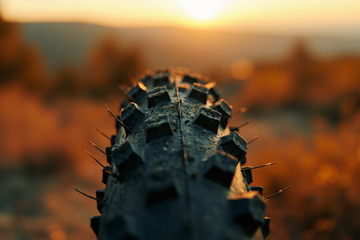
Choosing the right mountain bike tires can significantly impact the quality of a ride. As the only contact point between a bike and the ground, tires affect handling, performance, and overall enjoyment. With countless options available, finding the perfect set can feel challenging. This guide from Stash Cycles will break down the key elements of mountain bike tires, helping riders make informed decisions for their specific needs.
From tread patterns and tire sizes to different riding styles and terrains, this article will equip mountain bikers with the knowledge to select the ideal tires. Whether tackling rugged trails or cruising on smoother paths, the right tires can maximize the mountain biking experience.
Key Takeaways
- Mountain bike tires significantly impact a bike's performance, handling, and overall riding experience.
- Tread patterns (aggressive, semi-slick, inverted) affect grip, rolling resistance, and braking, and should be chosen based on terrain.
- Tire size (27.5" vs. 29") influences maneuverability, rolling efficiency, and momentum; width affects grip, comfort, and rolling resistance.
- Tire pressure is crucial for grip, rolling resistance, and preventing flats; tubeless systems allow lower pressures for better performance.
- Rubber compounds (soft, medium, hard) balance grip and durability; TPI and casing construction impact ride feel and puncture resistance.
- Matching tires to riding style (XC, trail, enduro/DH) and terrain (hardpack, loose dirt, mud, rocky) optimizes performance.
- Consulting experts, like those at Stash Cycles, can help riders select the ideal tires for their specific needs and custom bikes.
Table of Contents
- Introduction: Why Your Mountain Bike Tires Matter
- Mountain Bike Tire Tread Patterns
- Decoding Tire Size and Dimensions
- Choosing the Right Tire Compound and Construction
- Matching Your Tires to Your Riding Style and Terrain
- Conclusion: Optimizing Your Ride with the Perfect Mountain Bike Tires
- Frequently Asked Questions
Introduction: Why Your Mountain Bike Tires Matter

The connection between a rider and the trail begins with their mountain bike tires. They are a key factor in how a bike performs, feels, and handles. The right set of tires can provide more grip, better control, and a smoother ride, while the wrong ones can lead to frustration and even crashes.
Mountain bike tires come in various types, each designed for specific riding conditions and styles. From aggressive, knobby tires for loose terrain to fast-rolling, low-profile tires for hardpack trails, the options can seem endless. Each type significantly impacts a rider's experience, affecting speed, traction, and comfort.
This guide will help riders navigate mountain bike tires and choose the perfect set for their needs. Whether you're a seasoned racer or a weekend trail rider, knowing the basics of tire design and construction can make a big difference in your riding experience.
For those who ride high-quality custom mountain bikes from builders like Stash Cycles, selecting the right tires is especially important. The tires are the final piece in optimizing the bike's performance, making sure riders get the most out of their investment.
Mountain Bike Tire Tread Patterns
The tread pattern on mountain bike tires is a key factor in determining how the tire performs on different types of terrain. Different patterns are designed to optimize grip, rolling resistance, and braking, ultimately affecting the overall riding experience.
Aggressive Tread
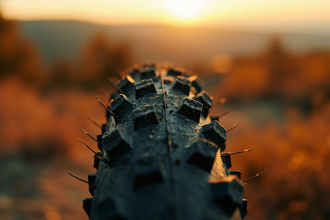
Aggressive tread patterns feature tall, widely spaced knobs. These are designed to dig into soft or loose terrain, providing maximum grip in challenging conditions. They excel in mud, loose dirt, and steep, technical trails. However, the large knobs increase rolling resistance, making them less efficient on smooth surfaces. Visual examples include tires with deep, prominent lugs.
Semi-Slick Tread
Semi-slick tread patterns offer a compromise between grip and rolling speed. They typically have a smooth center section for faster rolling on hardpack, with more aggressive knobs on the sides for cornering grip. These are ideal for riders who encounter a mix of terrain and want a balance of speed and control. Visual examples include tires with a smooth center and small side knobs.
Inverted Tread
Inverted tread patterns feature recessed or negative spaces instead of raised knobs. These are designed to provide grip on hardpack surfaces by increasing the contact area. They often roll very fast and offer predictable handling on smooth trails. However, they may struggle in loose or muddy conditions. Visual examples include tires with a honeycomb-like pattern.
Tread Pattern Performance in Different Conditions
- Mud: Aggressive tread patterns with widely spaced knobs are best for shedding mud and maintaining traction.
- Hardpack: Semi-slick or inverted tread patterns offer lower rolling resistance and good grip on hard, smooth surfaces.
- Loose Dirt: Aggressive or semi-slick tread patterns with well-defined knobs provide the necessary bite to grip the loose surface.
The tread pattern of mountain bike tires directly impacts the riding experience. Choosing the right pattern for the local trails and riding style can significantly improve performance and enjoyment.
Aggressive Tread Patterns: Maximum Grip
Aggressive tread patterns on mountain bike tires are characterized by large, widely spaced knobs. These knobs are designed to penetrate soft surfaces and provide a strong mechanical grip, making them ideal for challenging terrain.
The primary benefit of aggressive tread is superior traction in loose conditions, such as deep dirt, mud, and sand. The widely spaced knobs allow the tire to bite into the terrain, providing the necessary grip for steep climbs and technical descents. This type of tread is great when conditions are less than ideal, offering confidence and control where other tires might struggle.
However, the trade-off for this grip is increased rolling resistance. The large knobs create more friction with the ground, making these tires slower on hardpack surfaces. Riders may notice a decrease in speed and efficiency compared to tires with less aggressive tread patterns.
Examples of popular aggressive tire models include the Maxxis Minion DHF and DHR II, known for their exceptional grip in a variety of conditions. These tires are a popular choice for downhill, enduro, and aggressive trail riding.
In short, aggressive tread patterns maximize grip in challenging conditions, improving the overall performance of mountain bike tires when the terrain demands it. While they may not be the fastest option, they provide the confidence and control needed to tackle the toughest trails.
Semi-Slick Tread Patterns: Speed and Efficiency
Semi-slick tread patterns on mountain bike tires are designed with a smooth center section and smaller, more aggressive knobs on the sides. This combination aims to balance rolling speed with cornering grip.
The smooth center section minimizes rolling resistance on hardpack trails, allowing for faster acceleration and sustained speed. Riders will find these tires to be efficient on smoother surfaces, making them ideal for cross-country riding and trails with fewer technical features. The smaller side knobs provide grip when leaning into corners, offering a degree of control on varied terrain.
However, semi-slick tires have limitations in loose or muddy conditions. The smooth center lacks the necessary bite to maintain traction on soft surfaces, leading to reduced grip and control. Riders may experience slippage and a less confident feel in these conditions.
Popular semi-slick tire models include the Maxxis Ikon and the Specialized Fast Trak. These tires are known for their speed and efficiency on hardpack, while still offering reasonable grip in moderately loose conditions.
To conclude, semi-slick tread patterns prioritize speed and efficiency on smoother trails. While they may not be the best choice for extreme conditions, they offer a fast and enjoyable ride on hardpack surfaces, improving the efficiency of mountain bike tires where grip is less critical.
Inverted Tread Patterns: Versatility
Inverted tread patterns on mountain bike tires feature recessed or negative spaces instead of traditional raised knobs. This design offers a unique approach to traction and rolling efficiency, resulting in versatile performance across different terrain types.
The versatility of inverted tread patterns stems from their ability to provide a large contact area with the ground, enhancing grip on hardpack surfaces. At the same time, the recessed channels can effectively channel water and debris away from the contact patch, maintaining traction in wet conditions. This makes them suitable for a wide range of trails, from smooth, dry hardpack to slightly damp or loose surfaces.
Inverted treads perform well in both wet and dry conditions due to their design. In dry conditions, the increased contact area provides ample grip for acceleration, braking, and cornering. In wet conditions, the channels help to maintain a consistent connection with the trail surface, reducing the risk of slippage.
Examples of popular inverted tread pattern tire models are the Panaracer DriverPro PR and the WTB Riddler. These tires are known for their adaptability and consistent performance across varied terrain, making them a good choice for riders who encounter a mix of trail conditions.
Ultimately, inverted tread patterns offer a versatile option for mountain bike tires, adapting to varied riding experiences. Their ability to perform well in both wet and dry conditions, coupled with their efficient rolling characteristics, makes them a practical choice for riders seeking a balance of performance and adaptability.
Decoding Tire Size and Dimensions

Mountain bike tires come in a range of sizes, each offering different characteristics that can affect a bike's handling and performance. The most common sizes are 27.5 inches (650b) and 29 inches, with variations in width to further fine-tune the ride.
Tire Size Options
- 27.5-inch Tires: These tires offer a balance of agility and rolling efficiency. They accelerate quickly and are more maneuverable on tight, technical trails. However, they may not roll over obstacles as easily as 29-inch tires.
- 29-inch Tires: These tires provide excellent rolling efficiency and can maintain momentum over rough terrain. They offer a smoother ride and better traction on climbs, but may feel less nimble on tight, twisty trails.
Width Variations
In addition to diameter, mountain bike tires also vary in width, typically ranging from 2.0 to 2.6 inches or wider. Wider tires offer increased traction and a more comfortable ride, but also add weight and rolling resistance. Narrower tires are faster and more efficient, but may sacrifice some grip and comfort.
Matching Tire Size to Bike Frame
It's important to ensure that the tire size is compatible with the bike frame. Most mountain bikes are designed to accommodate a specific tire size, and using the wrong size can lead to clearance issues or handling problems. Always check the manufacturer's specifications before changing tire sizes.
Tire Pressure
Tire pressure plays a significant role in the performance of mountain bike tires. Lower pressures provide more grip and a smoother ride, but can increase the risk of pinch flats. Higher pressures offer faster rolling and better protection against flats, but may reduce traction and comfort. Experimenting with different pressures can help riders find the optimal balance for their riding style and terrain.
27.5" vs. 29" Mountain Bike Tires: A Head-to-Head Comparison
The debate between 27.5" and 29" mountain bike tires is ongoing, as each size offers distinct advantages for different riders and riding styles.
27.5" Tires: Maneuverability and Agility
27.5" tires, also known as 650b, are known for their improved maneuverability and quicker acceleration. They are often preferred by smaller riders or those who prioritize agility on tight, technical trails. The smaller diameter makes them easier to handle through twists and turns, providing a playful and responsive feel.
Advantages of 27.5" Tires:
- Improved maneuverability
- Quicker acceleration
- Lighter weight
- Better suited for smaller riders
29" Tires: Rolling Efficiency and Momentum
29" tires excel at rolling over obstacles and maintaining speed on rough terrain. The larger diameter provides a greater angle of attack, allowing them to smooth out bumps and maintain momentum. This makes them a popular choice for cross-country riders and those who prioritize efficiency on long rides.
Advantages of 29" Tires:
- Improved rolling efficiency
- Better momentum over obstacles
- Increased traction
- Smoother ride
Ultimately, the choice between 27.5" and 29" mountain bike tires comes down to personal preference and riding style. Riders who value agility and responsiveness may prefer 27.5" tires, while those who prioritize speed and efficiency may opt for 29" tires. Considering the type of trails typically ridden and the desired riding experience can help riders make the right choice.
Tire Width: Finding the Right Balance
Tire width is another key dimension that affects the performance of mountain bike tires. It influences grip, rolling resistance, comfort, and overall handling. Finding the right balance depends on individual riding style and the type of terrain typically encountered.
Wider Tires: Grip and Comfort
Wider tires (2.4" and up) offer a larger contact patch with the ground, resulting in increased grip and traction. They also provide a more comfortable ride by absorbing bumps and vibrations. Wider tires are well-suited for aggressive trail riding, downhill, and enduro, where maximum grip and control are critical.
Pros of Wider Tires:
- Increased grip and traction
- Improved comfort
- Better control on rough terrain
Cons of Wider Tires:
- Increased rolling resistance
- Heavier weight
- May feel sluggish on smooth surfaces
Narrower Tires: Speed and Efficiency
Narrower tires (2.0" to 2.3") prioritize speed and efficiency. They have a smaller contact patch, reducing rolling resistance and making them faster on hardpack trails. Narrower tires are often preferred for cross-country riding and racing, where speed and efficiency are important.
Pros of Narrower Tires:
- Lower rolling resistance
- Lighter weight
- Faster acceleration
Cons of Narrower Tires:
- Reduced grip and traction
- Less comfortable ride
- Less control on rough terrain
Recommendations Based on Riding Style and Terrain
- Cross-Country: 2.0" to 2.25" tires for speed and efficiency
- Trail Riding: 2.25" to 2.4" tires for a balance of grip and speed
- Enduro/Downhill: 2.4" to 2.6" or wider tires for maximum grip and control
Ultimately, the ideal tire width depends on the rider's preferences and the conditions they typically encounter. Experimenting with different widths can help riders find the perfect balance of grip, rolling resistance, and comfort for their mountain bike tires.
Tire Pressure: Dialing in Your Ride
Tire pressure is a critical factor in the performance of mountain bike tires. It affects grip, rolling resistance, the risk of pinch flats, and overall ride comfort. Finding the right tire pressure can significantly improve the riding experience.
Impact of Tire Pressure
- Grip: Lower tire pressures increase the contact patch, providing more grip on loose or slippery surfaces.
- Rolling Resistance: Higher tire pressures reduce the contact patch, resulting in lower rolling resistance and faster speeds on smooth surfaces.
- Pinch Flats: Insufficient tire pressure increases the risk of pinch flats, which occur when the tire is compressed against the rim, causing a puncture.
Guidelines for Setting Tire Pressure
Setting the correct tire pressure depends on several factors, including rider weight, tire size, and terrain. As a general guideline:
- Rider Weight: Heavier riders typically require higher tire pressures to avoid pinch flats.
- Tire Size: Wider tires can be run at lower pressures than narrower tires.
- Terrain: Rougher terrain may require lower pressures for increased grip and comfort, while smoother terrain may benefit from higher pressures for faster rolling.
A starting point for tire pressure can be around 22-26 PSI for a 150-pound rider on 2.3" tires, adjusting up or down based on the above factors. Experimentation is key to finding the optimal pressure for individual needs.
Tubeless Systems
Tubeless systems allow riders to run lower tire pressures without the risk of pinch flats, as there is no inner tube to pinch. This can greatly improve grip and comfort, especially on rough terrain. Tubeless systems also offer the added benefit of self-sealing small punctures.
In short, tire pressure is a crucial element in optimizing the performance of mountain bike tires. Dialing in the right pressure based on rider weight, tire size, terrain, and the use of tubeless systems can lead to a more comfortable, efficient, and enjoyable ride.
Choosing the Right Tire Compound and Construction
The rubber compound and construction of mountain bike tires play a significant role in their performance. These factors affect grip, durability, rolling resistance, and overall ride quality. Choosing the right combination can optimize the tires for specific riding styles and terrain.
Rubber Compounds
Different rubber compounds offer varying levels of grip, durability, and rolling resistance:
- Soft Compounds: Provide excellent grip, especially on wet or loose surfaces, but tend to wear down faster and have higher rolling resistance.
- Hard Compounds: Offer better durability and lower rolling resistance, but may sacrifice some grip on challenging terrain.
- Dual Compounds: Combine a harder center compound for rolling efficiency with softer shoulder compounds for cornering grip.
Tire Construction
Tire construction elements also impact performance:
- TPI (Threads Per Inch): Higher TPI casings are more supple and offer a smoother ride, while lower TPI casings are more durable and puncture-resistant.
- Casing Types: Different casing types, such as single-ply, dual-ply, and reinforced casings, offer varying levels of protection against punctures and cuts.
Tubeless-Ready Tires and Sealant
Tubeless-ready mountain bike tires are designed to be run without inner tubes, using sealant to create an airtight seal. This allows for lower tire pressures, increased grip, and reduced risk of pinch flats. Sealant also helps to seal small punctures, keeping riders rolling.
When selecting mountain bike tires, consider the trade-offs between compound, construction, and tubeless compatibility to find the best option for the intended riding style and terrain. A well-chosen tire can significantly improve the overall riding experience.
Rubber Compounds: Grip vs. Durability
The rubber compound used in mountain bike tires significantly affects their performance characteristics. Different compounds offer varying levels of grip, durability, and rolling resistance, and choosing the right one is a balancing act.
Soft Compounds
Soft rubber compounds prioritize grip above all else. These compounds conform to the terrain, providing excellent traction on wet, loose, or technical surfaces. However, the trade-off is reduced durability and increased rolling resistance. Soft compounds tend to wear down faster and require more effort to pedal, but they offer unparalleled grip in challenging conditions.
Medium Compounds
Medium rubber compounds strike a balance between grip and durability. They offer a good level of traction while also providing reasonable wear resistance and rolling efficiency. These compounds are a versatile choice for riders who encounter a variety of terrain and want a tire that performs well in most conditions.
Hard Compounds
Hard rubber compounds prioritize durability and rolling resistance. They offer the longest wear life and the fastest rolling speeds, but may sacrifice some grip on technical or slippery surfaces. Hard compounds are well-suited for smooth, hardpack trails where speed and efficiency are more important than maximum traction.
Examples of Tire Models with Different Compounds
- Soft Compound: Maxxis Minion DHF with MaxxGrip compound (excellent grip, faster wear)
- Medium Compound: Continental Trail King with Black Chili compound (good balance of grip and wear)
- Hard Compound: Specialized Fast Trak with GRIPTON compound (long-lasting, fast-rolling)
In short, the choice of rubber compound depends on the rider's priorities. Soft compounds offer maximum grip but wear faster, while hard compounds provide durability and speed at the expense of some traction. Considering the typical riding conditions and desired performance characteristics can help riders choose the right compound for their mountain bike tires, affecting both their performance and how long the tires last.
TPI and Casing: Tire Construction
The construction of a mountain bike tire's casing, including its TPI (threads per inch) and ply configuration, significantly influences its ride feel, durability, and overall performance.
TPI (Threads Per Inch)
TPI refers to the number of threads per inch in the tire's casing. A higher TPI indicates a more supple and flexible casing, as it uses thinner threads that can conform better to the terrain. Lower TPI casings use thicker threads, resulting in a stiffer and more durable tire.
- Higher TPI (120 TPI or more): Softer ride, better small bump compliance, lower rolling resistance, but less puncture protection.
- Lower TPI (60 TPI or less): Stiffer ride, more durable, better puncture protection, but higher rolling resistance.
Casing Types
The casing type refers to the number of layers, or plies, used in the tire's construction. Different casing types offer varying levels of durability and weight.
- Single-Ply: Lightweight, supple, and offers a good ride feel, but less durable and more prone to punctures.
- Dual-Ply: More durable and puncture-resistant than single-ply, but heavier and stiffer.
Some tires also feature reinforced casings with additional layers or materials in specific areas to further improve puncture protection and sidewall stability.
Impact on Ride Quality
The casing construction directly affects the ride quality of mountain bike tires. Higher TPI casings provide a more comfortable and responsive ride, conforming to the terrain and absorbing small bumps. Lower TPI casings offer a stiffer and more stable feel, which can be beneficial for aggressive riding and rough terrain, but may transmit more vibrations to the rider.
Ultimately, the choice of TPI and casing type depends on the rider's priorities and the type of terrain they typically encounter. Riders who prioritize comfort and suppleness may prefer higher TPI casings, while those who prioritize durability and puncture protection may opt for lower TPI casings and reinforced constructions.
Tubeless-Ready Tires: Benefits and Setup
Tubeless-ready mountain bike tires have become increasingly popular due to their numerous performance advantages. These tires are designed to be run without inner tubes, offering lower rolling resistance, improved grip, and a reduced risk of flats.
Benefits of Tubeless-Ready Tires
- Lower Rolling Resistance: Eliminating the friction between the tire and inner tube results in lower rolling resistance and faster speeds.
- Improved Grip: Tubeless setups allow for lower tire pressures, increasing the contact patch and providing better grip on loose or technical surfaces.
- Reduced Risk of Flats: Without an inner tube, there is no risk of pinch flats. Tubeless sealant also helps to seal small punctures, preventing air loss.
Components Needed for Tubeless Setup
Setting up tubeless-ready mountain bike tires requires a few key components:
- Tubeless-Ready Tires: Tires specifically designed for tubeless use.
- Tubeless-Ready Rims: Rims with a profile that securely holds the tire bead and creates an airtight seal.
- Tubeless Sealant: A liquid sealant that seals small punctures and creates an airtight seal between the tire and rim.
- Tubeless Valves: Valves designed to fit tubeless-ready rims and allow air to be added without an inner tube.
- Rim Tape: Special tape that seals the spoke holes on the rim and creates an airtight surface.
Tubeless Setup Process Overview
The tubeless setup process typically involves:
- Taping the rim with tubeless rim tape.
- Installing the tubeless valve.
- Mounting the tubeless-ready tire.
- Adding tubeless sealant through the valve core.
- Inflating the tire until the bead seats securely on the rim.
In short, tubeless-ready mountain bike tires offer improved performance and a more enjoyable riding experience. Their ability to run at lower pressures, combined with the reduced risk of flats, makes them a popular choice for modern mountain bikers.
Matching Your Tires to Your Riding Style and Terrain
Choosing the right mountain bike tires depends heavily on your riding style and the type of terrain you typically encounter. Different tires are designed to excel in specific conditions, and selecting the appropriate tires can significantly improve your riding experience. Here are some recommendations to help you make the right choice.
Tire Recommendations Based on Riding Style
- Cross-Country (XC): For XC riding, prioritize lightweight tires with low rolling resistance. Look for semi-slick or fast-rolling tread patterns and narrower widths (2.0" - 2.25").
- Trail Riding: Trail riding requires a balance of grip and rolling efficiency. Opt for tires with versatile tread patterns and moderate widths (2.25" - 2.4").
- Enduro: Enduro riding demands maximum grip and durability. Choose tires with aggressive tread patterns, strong casings, and wider widths (2.4" - 2.6").
- Downhill (DH): Downhill riding requires the most durable tires with the best possible grip. Select tires with aggressive tread patterns, dual-ply casings, and the widest widths (2.5" or wider).
Tire Recommendations Based on Terrain
- Rocky Terrain: Choose tires with reinforced casings and durable compounds to resist cuts and punctures. Wider tires can also provide more comfort and grip on rocky trails.
- Muddy Terrain: Select tires with aggressive, widely spaced knobs to shed mud and maintain traction. Narrower tires can sometimes cut through the mud better than wider tires.
- Sandy Terrain: Opt for wider tires with larger volume to float over the sand and maintain traction. Lower tire pressures can also help.
Tire Recommendation Chart
Here’s a quick guide to help you choose your mountain bike tires:
| Riding Style | Terrain | Tire Recommendation |
|---|---|---|
| Cross-Country | Hardpack | Fast-rolling, semi-slick, 2.0-2.25" |
| Cross-Country | Loose Dirt | Versatile tread, 2.2-2.35" |
| Trail Riding | Mixed | All-around tread, 2.25-2.4" |
| Enduro | Technical | Aggressive tread, reinforced casing, 2.4-2.6" |
| Downhill | Steep, Rocky | Aggressive tread, dual-ply casing, 2.5"+ |
At Stash Cycles, we understand that selecting the perfect mountain bike tires for your custom build can be a challenge. Our experts can help you choose the ideal tires based on your riding style, terrain, and preferences, making sure you get the most out of your Stash Cycles bike.
Cross-Country (XC) Tires: Speed and Efficiency
Cross-country (XC) riding demands tires that prioritize speed and efficiency. Low rolling resistance and lightweight designs are key for maximizing performance on XC courses.
Recommended Tire Characteristics for XC
- Low Rolling Resistance: Choose tires with smooth center sections or closely spaced knobs to minimize friction with the ground.
- Lightweight Design: Opt for tires with lightweight casings and minimal tread to reduce rotational weight and improve acceleration.
- Narrow Widths: Select narrower tire widths (2.0" - 2.25") to further reduce rolling resistance and weight.
Suggested Tire Models for XC
- Specialized S-Works Fast Trak
- Maxxis Aspen
- Continental Race King
These tires are known for their fast-rolling characteristics and lightweight designs, making them ideal for XC riding and racing.
Stash Cycles understands the importance of optimizing tire choice for XC-focused custom builds. We can help you select mountain bike tires that complement your bike's geometry and components, making sure maximum speed and efficiency on the trails. Our experts can recommend tires that provide the perfect balance of rolling resistance, weight, and grip for your specific riding style and terrain.
Trail Tires: The All-Around Performer
Trail riding requires tires that strike a balance between grip, rolling resistance, and durability. Trail tires are designed to be versatile, performing well on a variety of terrain and in different conditions.
Recommended Tire Characteristics for Trail Riding
- Versatile Tread Pattern: Choose tires with a tread pattern that offers a good balance of rolling speed and cornering grip.
- Moderate Width: Opt for tire widths in the range of 2.25" to 2.4" for a good balance of traction and efficiency.
- Durable Casing: Select tires with a casing that provides adequate puncture protection without being too heavy.
Suggested Tire Models for Trail Riding
- Maxxis Ardent
- Vittoria Barzo
- Specialized Butcher
These tires are known for their versatility and ability to perform well on a variety of trails.
At Stash Cycles, we understand that finding the perfect balance for your local trails is key to enjoying your ride. We can help you select mountain bike tires that are well-suited to the specific conditions and terrain you typically encounter. Our experts can recommend tires that provide the right combination of grip, rolling resistance, and durability, making sure you get the most out of your trail riding experience.
Enduro and Downhill (DH) Tires: Maximum Grip and Durability
Enduro and downhill (DH) riding demand tires that prioritize maximum grip and durability. These aggressive riding styles require tires that can withstand the rigors of steep, technical terrain and high-speed descents.
Recommended Tire Characteristics for Enduro and DH
- Aggressive Tread Pattern: Choose tires with large, widely spaced knobs to provide maximum grip on loose and technical surfaces.
- Reinforced Casing: Opt for tires with dual-ply or reinforced casings to resist punctures and provide sidewall support.
- Wider Widths: Select wider tire widths (2.4" - 2.6" or wider) to increase the contact patch and improve grip.
- Durable Compound: Look for tires with a durable rubber compound that can withstand the wear and tear of aggressive riding.
Suggested Tire Models for Enduro and DH
- Maxxis Minion DHF/DHR II
- Schwalbe Magic Mary
- Michelin Wild Enduro
These tires are known for their exceptional grip, durability, and ability to perform well in demanding conditions.
The strength and reliability of mountain bike tires are critical for enduro and downhill riding. Choosing strong tires with the right characteristics can provide the confidence and control needed to tackle extreme terrain. Riders should prioritize tires that can withstand the impacts, cuts, and abrasions that are common in these aggressive riding styles.
Tire Recommendations by Terrain Type
The type of terrain you typically ride on should heavily influence your mountain bike tire choice. Different tires are designed to excel in specific environments, and selecting the appropriate tires can significantly improve your performance and enjoyment.
Tire Choices for Specific Environments
- Hardpack: For hardpack conditions, prioritize tires with low rolling resistance and a smooth center section. Semi-slick or closely spaced knob patterns work well.
- Loose Dirt: In loose dirt, choose tires with more aggressive knobs to provide better grip and traction. A versatile tread pattern with well-defined side knobs is ideal.
- Mud: For muddy conditions, select tires with widely spaced knobs to shed mud and maintain traction. Narrower tires can sometimes cut through the mud better than wider tires.
- Rocky Conditions: In rocky terrain, prioritize tires with reinforced casings and durable compounds to resist cuts and punctures. Wider tires can also provide more comfort and grip.
Tire Recommendations Based on Terrain
Here’s a table summarizing tire recommendations based on terrain type:
| Terrain Type | Tire Recommendation | Example Tire |
|---|---|---|
| Hardpack | Fast-rolling, semi-slick | Specialized Fast Trak |
| Loose Dirt | Versatile tread, moderate knobs | Maxxis Ardent |
| Mud | Aggressive, widely spaced knobs | Maxxis Muddy Mary |
| Rocky | Reinforced casing, durable compound | Schwalbe Nobby Nic |
The adaptability of mountain bike tires for different terrains is a key factor in their overall performance. By choosing tires that are well-suited to the specific conditions you encounter, you can maximize your grip, control, and efficiency on the trails.
Conclusion: Optimizing Your Ride with the Perfect Mountain Bike Tires

Choosing the right mountain bike tires is key to optimizing your riding experience. This guide has covered the importance of tread patterns, tire sizes, compounds, and construction, providing the knowledge needed to make an informed decision.
Remember to think about your riding style, the terrain you typically encounter, and your personal preferences when selecting mountain bike tires. The right tires can significantly improve your grip, rolling efficiency, comfort, and overall confidence on the trails.
At Stash Cycles, we're here to help you find the perfect tires for your custom mountain bike. Our experts can provide personalized advice based on your specific needs and preferences. We offer a wide selection of high-quality tire options to suit every riding style and terrain.
Visit our website or contact us today for a consultation. Let Stash Cycles help you transform your riding experience with the perfect set of mountain bike tires.
Frequently Asked Questions
- What factors should I consider when choosing mountain bike tires for different terrains?
- When selecting mountain bike tires for various terrains, consider factors such as tread pattern, tire width, and rubber compound. Tread patterns with deep lugs provide better traction on loose surfaces like mud or gravel, while a smoother tread can be more efficient on hard-packed trails. Tire width affects stability and rolling resistance; wider tires offer more grip but may slow you down on smooth surfaces. Additionally, the rubber compound can influence durability and grip; softer compounds provide better traction but may wear out faster.
- How do I determine the right tire pressure for my mountain bike tires?
- The ideal tire pressure for mountain bike tires depends on several factors, including rider weight, terrain type, and tire size. Generally, lower pressures provide better traction and comfort on rough terrain, while higher pressures reduce rolling resistance on smooth trails. A good starting point is to check the manufacturer's recommendations, typically listed on the tire sidewall, and adjust based on your riding style and conditions. Experimenting within the recommended range can help find the optimal balance for your ride.
- Are there different tire types for specific mountain biking disciplines, like downhill or cross-country?
- Yes, different mountain biking disciplines require specialized tire types to enhance performance. Downhill tires typically feature aggressive tread patterns and reinforced sidewalls for maximum grip and durability on steep descents. Cross-country tires, on the other hand, are designed for speed and efficiency, with narrower profiles and smoother treads to reduce rolling resistance on flat terrain. All-mountain or enduro tires strike a balance, offering versatility for various conditions encountered in mixed riding styles.
- How often should I replace my mountain bike tires?
- The frequency of tire replacement depends on several factors, including riding conditions, terrain, and your riding style. Generally, if you notice significant tread wear, cuts, or punctures, it’s time to replace your tires. Additionally, if you experience decreased traction or handling, it may indicate that the tires are losing their effectiveness. Regular inspections, especially after long rides or in harsh conditions, can help determine when replacement is necessary.
- What maintenance tips can extend the life of my mountain bike tires?
- To prolong the life of your mountain bike tires, practice regular maintenance such as checking tire pressure before each ride, cleaning the tires to remove debris, and inspecting for cuts or wear. Rotating your tires can also help even out wear. Additionally, avoid riding on harsh surfaces whenever possible, and store your bike in a cool, dry place to prevent degradation of the rubber. Using tire sealants can also help prevent punctures and extend tire life.