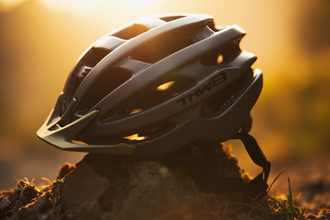
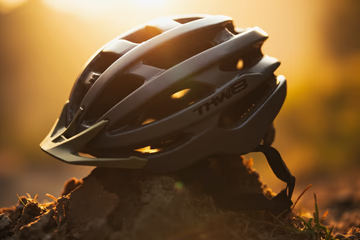
Finding the right mountain bike helmet is key for safety and comfort on the trails. At Stash Cycles, we understand the importance of a reliable helmet. That's why we offer a curated selection of mountain bike helmets to suit various riding styles and budgets.
Whether you're tackling technical descents or enjoying cross-country rides, a quality helmet is an investment in your safety. Stash Cycles provides options that blend protection, ventilation, and a comfortable fit, so you can focus on the ride.
Key Takeaways
- A quality mountain bike helmet is crucial for safety, potentially preventing serious head injuries.
- Different types of helmets (XC, Trail/Enduro, Downhill) cater to various riding styles, offering different levels of coverage and ventilation.
- Key features to consider include safety certifications (CPSC, EN), proper fit and adjustability, ventilation, and MIPS technology.
- A proper fit involves measuring head size, consulting size charts, adjusting the retention system and straps, and checking for secure positioning.
- Full-face helmets offer maximum protection for aggressive riding, while open-face helmets provide better ventilation for less intense activities.
- MIPS technology enhances protection by reducing rotational forces during angled impacts.
- Stash Cycles offers a curated selection of mountain bike helmets and provides professional fitting assistance.
Table of Contents
- Introduction: Why a Quality Mountain Bike Helmet Matters
- Introduction: Why a Quality Mountain Bike Helmet Matters
- Exploring Different Types of Mountain Bike Helmets
- Key Features to Consider When Choosing a Mountain Bike Helmet
- Finding the Right Fit: Providing Optimal Protection and Comfort
- Stash Cycles: Your Partner in Mountain Bike Safety
- Conclusion: Ride Safe with the Perfect Mountain Bike Helmet
- Frequently Asked Questions
Introduction: Why a Quality Mountain Bike Helmet Matters

For mountain bikers, a helmet is the most important piece of safety gear. A quality
This article aims to guide you through the process of choosing the perfect helmet for your individual needs. We'll cover the different types of helmets available and the key factors you should consider to ensure you get the best possible protection and comfort on the trails. Stash Cycles is here to help you find the ideal
Introduction: Why a Quality Mountain Bike Helmet Matters
For mountain bikers, a helmet is the most important piece of safety gear. A quality
This article aims to guide you through the process of choosing the perfect helmet for your individual needs. We'll cover the different types of helmets available and the key factors you should consider to ensure you get the best possible protection and comfort on the trails. Stash Cycles is here to help you find the ideal
Exploring Different Types of Mountain Bike Helmets
There are several types of
Cross-Country Helmets
Cross-country (XC) helmets are designed for speed and efficiency. These
Trail/Enduro Helmets
Trail or enduro helmets offer a balance of protection and ventilation. These
Downhill Helmets
Downhill helmets are built for maximum protection. These full-face
Full-Face Helmets
Similar to downhill helmets, full-face helmets offer the highest level of protection. These
Cross-Country (XC) Helmets: Lightweight and Ventilated
Cross-country (XC) helmets are purpose-built for riders who value speed and endurance on less challenging trails. The primary focus of these
Key features of XC helmets include a streamlined profile to reduce wind resistance and a multitude of vents to promote efficient cooling. The design prioritizes ventilation and low weight over maximum coverage, making them ideal for warmer conditions and less technical terrain.
Trail/Enduro Helmets: Versatile Protection for Varied Terrain
Trail/enduro helmets are designed to provide a balance of protection, ventilation, and coverage, making them a versatile option for a wide range of riding styles and terrain. These
Key features of trail/enduro helmets often include adjustable visors to shield the eyes from the sun and debris, as well as ample ventilation to keep riders cool during intense efforts. The added coverage and durable construction make them suitable for both casual trail rides and more aggressive enduro racing.
Downhill (DH) Helmets: Maximum Protection for Aggressive Riding
Downhill (DH) helmets are engineered for one purpose: maximum impact protection during aggressive downhill riding and racing. These full-face
Key features of DH helmets include a sturdy construction, a reinforced chin bar to protect the face and jaw, and compatibility with goggles for clear vision in all conditions. Ventilation is often sacrificed in favor of protection, but many modern DH helmets incorporate vents to improve airflow. If you're into downhill riding, this
Full-Face vs. Open-Face: Choosing the Right Coverage
When selecting a
Full-face helmets, like those used in downhill riding, provide the highest level of protection, covering the entire head and face. This added protection comes at the cost of increased weight and reduced ventilation, which can make them less comfortable for long rides or in warm weather. The field of vision can also be slightly more restricted compared to open-face helmets.
Open-face helmets offer better ventilation, a wider field of vision, and are typically lighter than full-face options. However, they provide less protection, leaving the face and chin exposed in the event of a crash. Open-face helmets are best suited for less aggressive riding styles and terrain where the risk of a serious impact is lower.
The choice between a full-face and open-face
Key Features to Consider When Choosing a Mountain Bike Helmet

Selecting the right
Safety Certifications
Look for helmets that meet safety standards such as CPSC (Consumer Product Safety Commission) in the United States or EN (European Standard) certifications. These certifications indicate that the
Fit and Adjustability
A proper fit is crucial for a
Ventilation
Good ventilation is important to keep your head cool and comfortable during rides. Look for a
Weight
The weight of a
MIPS Technology
MIPS (Multi-directional Impact Protection System) is a technology designed to reduce rotational forces during certain impacts. A
Additional Features
Some
Safety Certifications: Providing Reliable Protection
When purchasing a
These certifications mean that the
It is always advisable to look for a
Fit and Adjustability: Achieving a Secure and Comfortable Fit
A proper fit is extremely important for a
Most
To achieve a snug and secure fit, start by adjusting the retention system until the helmet sits firmly on your head without feeling too tight. Then, adjust the straps so that they form a "V" shape around your ears and the chin strap is snug but not constricting. You should be able to fit no more than one or two fingers between the chin strap and your chin.
Ventilation: Staying Cool and Comfortable on the Trails
Ventilation plays a crucial role in the comfort of a
Different
When choosing a
MIPS Technology: Enhancing Protection Against Rotational Forces
MIPS (Multi-directional Impact Protection System) is a technology designed to reduce rotational forces transmitted to the brain during angled impacts. In a
By allowing the helmet to rotate slightly, MIPS can help to redirect energy away from the brain, reducing the risk of concussion and other brain injuries. This added layer of protection can be particularly beneficial in crashes where the head strikes the ground at an angle.
Choosing a
Finding the Right Fit: Providing Optimal Protection and Comfort
Finding the right fit is important when choosing a
- Measure Your Head Size: Use a flexible measuring tape to measure the circumference of your head, just above your eyebrows and ears. Note the measurement in centimeters or inches.
- Consult the Size Chart: Refer to the
mountain bike helmet 's size chart to find the corresponding size range for your head measurement. Size charts can vary between brands, so always check the specific chart for the helmet you are considering. - Try It On: Place the helmet on your head and ensure it sits level, covering your forehead. The front edge of the helmet should be about one inch above your eyebrows.
- Adjust the Retention System: Use the helmet's retention system (usually a dial or ratchet) to tighten or loosen the fit. The helmet should feel snug and secure, without any pressure points.
- Adjust the Straps: Adjust the side straps so that they form a "V" shape around your ears. The chin strap should be snug but not constricting, allowing you to fit one or two fingers between the strap and your chin.
- Check the Fit: With the helmet properly adjusted, try shaking your head from side to side and front to back. The helmet should stay in place and not move excessively. If the helmet moves easily, it is too loose and you may need to try a smaller size or adjust the retention system further.
A
Step 1: Measuring Your Head Size
Accurately measuring your head size is the first step in finding a
To measure your head size, you will need a soft, flexible measuring tape. Place the tape around your head, just above your eyebrows and ears, ensuring that it is level all the way around. The tape should be positioned around the widest part of your skull.
Pull the tape snug, but not too tight, and note the measurement in centimeters or inches. This measurement is your head circumference and will be used to determine the correct
It is important to take this measurement carefully and accurately, as even a small difference can affect the fit of the helmet. If possible, have someone assist you with the measurement to ensure it is taken correctly.
Step 2: Adjusting the Retention System
Once you have determined the correct size
Most
To adjust the retention system, start by loosening it completely. Place the
If the helmet feels too tight or too loose, readjust the retention system until you achieve a comfortable yet secure fit. It may take a few adjustments to find the perfect balance.
Step 3: Checking the Fit and Positioning
After adjusting the retention system, it's important to double-check the fit and positioning of your
- Level Positioning: The helmet should sit level on your head, not tilted forward or backward.
- Front Edge Placement: The front edge of the helmet should be about one inch above your eyebrows, protecting your forehead.
- Strap Positioning: The side straps should form a "V" shape around your ears, sitting comfortably without rubbing.
- Chin Strap Adjustment: The chin strap should be snug but not constricting, allowing you to fit one or two fingers between the strap and your chin.
- Rocking Test: Try rocking the
mountain bike helmet back and forth and side to side. It should not move excessively or slide around on your head.
To perform a "shake test," buckle the chin strap and shake your head vigorously from side to side and front to back. The helmet should stay in place and not shift significantly. If the helmet moves easily during the shake test, it is too loose and you may need to readjust the retention system or try a smaller size.
Stash Cycles: Your Partner in Mountain Bike Safety
Stash Cycles is committed to providing riders with high-quality
We offer a curated selection of
Browse our
Conclusion: Ride Safe with the Perfect Mountain Bike Helmet
Choosing the right
Stash Cycles is dedicated to helping you find the ideal
So, gear up with a quality
Frequently Asked Questions
- What should I consider when choosing a mountain bike helmet?
- When selecting a mountain bike helmet, consider factors such as fit, safety certifications, ventilation, weight, and style. Ensure the helmet fits snugly without being uncomfortable, and look for certifications like CPSC or EN 1078 for safety. Good ventilation is essential for comfort during long rides, while a lightweight design can enhance your riding experience. Additionally, choose a style that suits your riding conditions, whether it’s a full-face helmet for downhill biking or a more open design for cross-country riding.
- How do I properly measure my head for a mountain bike helmet?
- To measure your head for a mountain bike helmet, use a flexible measuring tape to find the circumference of your head. Wrap the tape around your forehead, just above your ears and eyebrows, ensuring it’s level all the way around. Take note of the measurement in centimeters or inches, and refer to the sizing chart of the helmet brand you are considering to find the appropriate size. It's advisable to try on helmets if possible, as different brands may have slightly varying fits.
- What are the differences between various types of mountain bike helmets?
- Mountain bike helmets come in various types, primarily categorized into three: cross-country (XC) helmets, trail helmets, and full-face helmets. XC helmets are lightweight and prioritize ventilation, making them ideal for longer rides. Trail helmets offer a balance of protection and ventilation, suitable for diverse terrains. Full-face helmets provide maximum protection, covering the entire head and face, making them ideal for downhill and aggressive riding. Each type has distinct features designed for specific riding styles, so choose based on your needs.
- Are there maintenance tips for prolonging the life of my mountain bike helmet?
- To maintain your mountain bike helmet, clean it regularly with mild soap and water, avoiding harsh chemicals that could damage the materials. Store it in a cool, dry place away from direct sunlight to prevent degradation of the foam and outer shell. Inspect the helmet for any signs of damage, such as cracks or dents, especially after a fall. If the helmet is compromised, it’s important to replace it, as even minor damage can significantly reduce its protective capabilities.
- How often should I replace my mountain bike helmet?
- It is generally recommended to replace your mountain bike helmet every 3 to 5 years, even if it hasn’t been involved in a crash. Over time, the materials can degrade due to exposure to sweat, sunlight, and general wear and tear. If you experience a significant impact or crash, regardless of visible damage, it’s advisable to replace the helmet immediately to ensure optimal safety. Keeping track of the helmet's age and condition is crucial for maintaining your head protection while riding.